
One year of Stamplo
48 countries. Six continents. Zero safety incidents. And children writing letters to children, the way it should be.
48
countries
6
continents
58
active country pairings
72%
reply rate
31
letters from one pair in 78 days
0
safety incidents
My daughters make friends on holiday the way children do, quickly and easily and without any of the self-consciousness that creeps in later. They’ll spend three days inseparable from a child they met by the pool, swap promises to write, and mean every word of it.
Then we get home, and addresses get lost, and stamps need buying, and life gets in the way. The connection fades slowly and without anyone really meaning it to.
It always felt like a shame, because those friendships started so naturally.
That’s where Stamplo came from. Not a business plan, but a problem I kept watching happen and a belief that it didn’t have to.
What I wanted to build
I’ve spent nearly twenty years designing digital systems, mostly for banks, where security and trust aren’t optional extras. So when I started thinking about what a children’s communication platform should look like, I had a fairly clear picture of what it shouldn’t be.
It shouldn’t move fast. It shouldn’t use notifications and streaks and algorithms to keep children glued to a screen. It shouldn’t put engagement above everything else.
So I built something slow. Children write letters, those letters travel with a deliberate twelve-hour postal delay, and before any letter is delivered, both parents read and approve it. The sender’s parent reads it first, then the recipient’s parent. No letter arrives without two families saying yes.
It has a name internally: four-eyes approval.
A year later
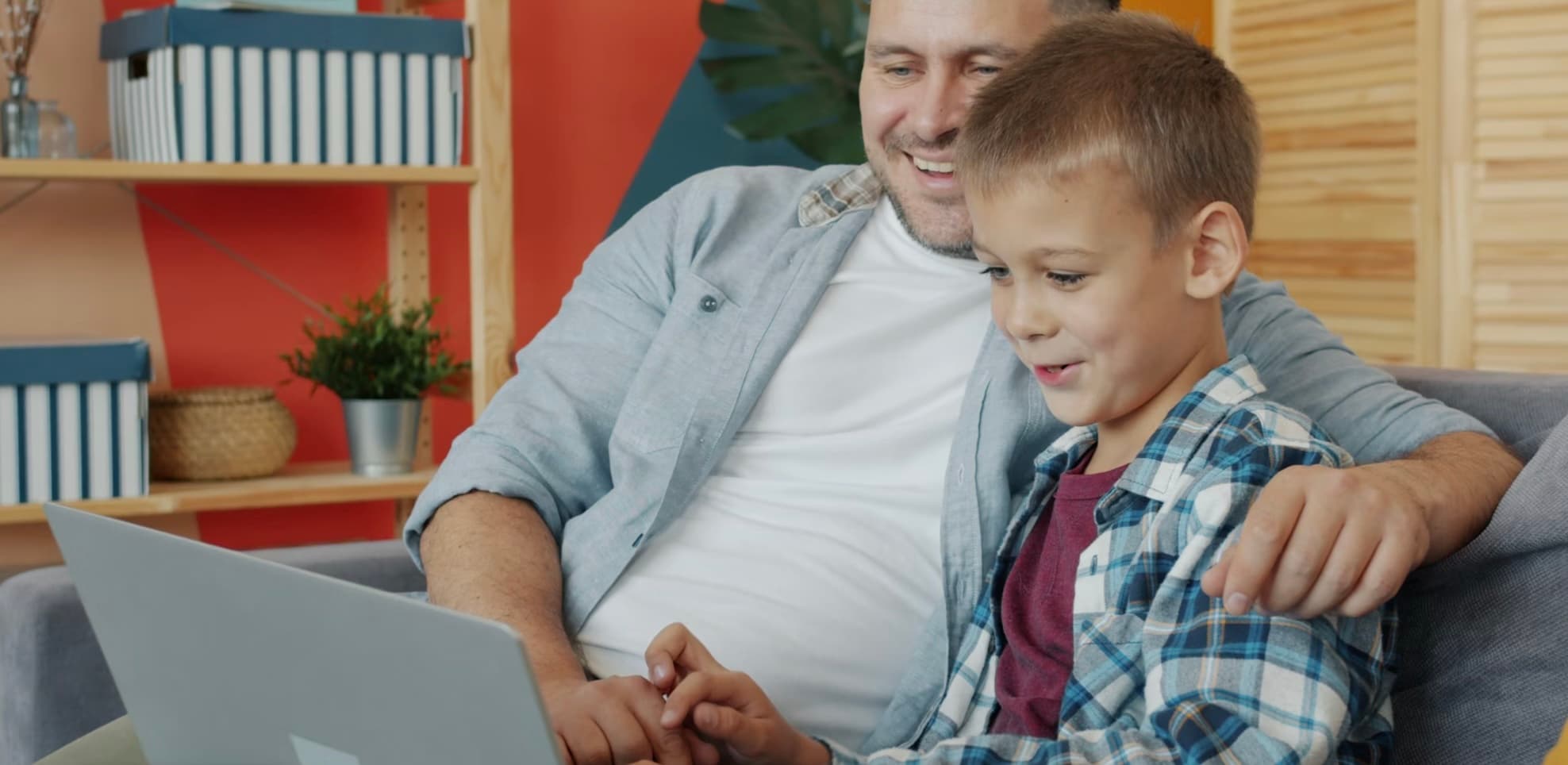
Stamplo launched quietly on 28 May 2025. I pushed to production, told a few people, and waited.
The first letter was sent that month. By this spring, hundreds of letters were crossing the platform every month.
Families have joined from 48 countries across six continents, and there are 58 active country pairings that simply didn’t exist a year ago. Children in Finland are writing to children in Mexico. Kids in Hungary are exchanging letters with kids in Sweden. One child in the UK has pen pals spread across ten different countries.
One pair has exchanged 31 letters in 78 days, averaging a new letter every two and a half days, and they’re still going. Across the whole platform, 72% of letters get a reply, which is a higher response rate than most professional email.
“My daughter found Stamplo herself as she wanted a foreign friend to write to. As a primary school teacher, I learned English and Spanish through pen pals and it was the best way I ever found to really speak a language.”
A parent in France
Another family told us their daughter wakes up every morning excited to check her Stamplo.
That’s the thing I wanted to build. I think it’s working.
The decisions that mattered
Identity verification. In November 2025, I decided that every parent on Stamplo would need to verify their identity with a real ID check, not just an email address, before their child could contact children from other families. We gave existing families through December to complete it, and made it mandatory for everyone from 1 January 2026. Some families dropped off. It was the right call anyway, because the platform is only worth anything if the people on it are who they say they are. It also reflects what the ICO Age Appropriate Design Code expects of platforms like ours, that children should only be connecting with people whose identity can be properly established.
Turning off the AI. Early on, I built an AI mascot that could send replies to children who hadn’t heard back from a pen pal. It felt kind at the time. In January 2026, I turned it off entirely. Children should hear from children, and an AI filling the silence isn’t really connection.
Staying slow. Every time I considered adding something faster, real-time replies or instant notifications or anything that would make the platform feel more like a chat app, I stepped back. The slowness is the thing that creates the anticipation, the care, the actual letter-writing.
Zero safety incidents in a full year of operation.
I want every family who has trusted Stamplo with their child to know that. I also completed the NSPCC’s Keeping Children Safe Online training in the months after launch, and keeping that knowledge current is something I treat as part of running this platform responsibly, not as a box to tick.
What I got wrong
The first version of the writing experience was too bare. Children would open a blank compose screen and not know where to start, and some simply didn’t.
In February this year I rebuilt it with prompts and encouragement and a way to get unstuck when the words won’t come. Engagement roughly doubled and has stayed there.
The other thing I’m still figuring out is how Stamplo grows beyond individual families. Organisations feel like the natural fit, and there are conversations happening, but it’s something I’m approaching carefully rather than rushing.
One thing that surprised me this year was finding Stamplo part of a broader conversation. In February, the UK government ran a consultation on children and digital wellbeing, and we submitted our own platform data, writing about what we observe when children communicate through slower, supervised letters rather than instant messaging. You can read what we said here.
If you know a family who might love it, a child who likes writing or who’s curious about the world or who made a friend somewhere and lost touch, please share it with them. That’s how Stamplo grows, one family at a time, the same way the friendships do.
Share StamploStamplo launched 28 May 2025. Safe pen pals for children aged 7 to 14, in 48 countries across six continents.