
The social media ban is coming. Here's what children can do instead.
Update, 15 June 2026: the government has now confirmed a ban on social media for under 16s, coming into force by spring 2027. The piece below was written a few days before that announcement. The question it asks, what children do instead, is now the one every parent is facing.
When Stamplo first launched, I used to get a few messages a week from parents saying the same thing: they had already decided their child was not going to be on social media and they were looking for something better to offer instead. Now I get those messages every day, and they have a slightly different quality to them. They feel more urgent. Parents are not just making a quiet personal choice any more. They are waiting for the country to catch up with a decision they have already made.
The UK government has confirmed that new measures restricting children's access to social media are coming before the end of 2026, with a response to the national consultation expected this summer. The direction of travel is clear even if the exact shape of the legislation is still being decided. I think it is the right call, and I want to say that without much qualification. The harms being done to children on social media are real and documented and I have watched them closely enough (in the research, in what parents tell me and in my own household) that my view on this has not changed.
The harder case
My eldest daughter is one of only a few children in her class without a smartphone and without social media. Other children have told her, at various points, that my wife and I are too strict. She has sometimes thought they were right. We have stayed firm not because we are certain we have made the perfect call but because we have watched what social media does to children her age and we have not been able to find an argument that says the benefits outweigh that. What we have found is that when she is away from that world she is calmer, more present and more interested in what is actually in front of her.
That experience does not make us right about everything. But it does mean that when the government announces a ban, my reaction is not primarily relief. It is closer to recognition. This is a decision that a lot of parents have been trying to make individually, against significant social pressure, for several years. The law does not resolve that pressure on its own but it changes the landscape, and it changes it in a way that should make the collective version of this considerably easier.
The gap a ban leaves
Banning social media does not remove a child's need to connect with other people. That need is completely normal and it does not disappear because Instagram is unavailable. What changes is where children look to meet it.
The risk of a poorly handled ban is that children find their way onto platforms that were never designed for them at all, or that they feel isolated in a way their parents cannot see because it happens quietly rather than visibly on a phone screen. Removing something is only useful if there is something better to fill the space.
When Australia's ban came into force in December 2025, the immediate response from many families was not relief: it was disruption. Children who had used platforms to maintain friendships built over years found those connections suddenly harder to sustain. Some moved to platforms not covered by the ban. Others simply lost touch with people they had considered close friends. The social infrastructure that had quietly built up around these platforms turned out to be harder to replace than most families had anticipated.
This is the thing the current coverage is getting wrong. There is a lot of focus on harm reduction and not very much on what children actually lose and how families should prepare for that. A ban that removes something without helping families put something better in its place is not a complete answer.
What actually fills the gap
None of the alternatives are a like-for-like replacement and that is fine because a like-for-like replacement would have the same problems.
In-person social life
This is the biggest one and it matters more right now than it has in years. Scouts and Guides are genuinely excellent and massively underrated. Duke of Edinburgh starts at 14. Most local libraries run free holiday programmes and almost every town has junior sports clubs that are easier to join than parents tend to assume. If your child is not in any regular group activity outside school, this is a good moment to change that, not as a punishment but as a genuine upgrade to how they spend their time.
What the ban covers, and what it does not
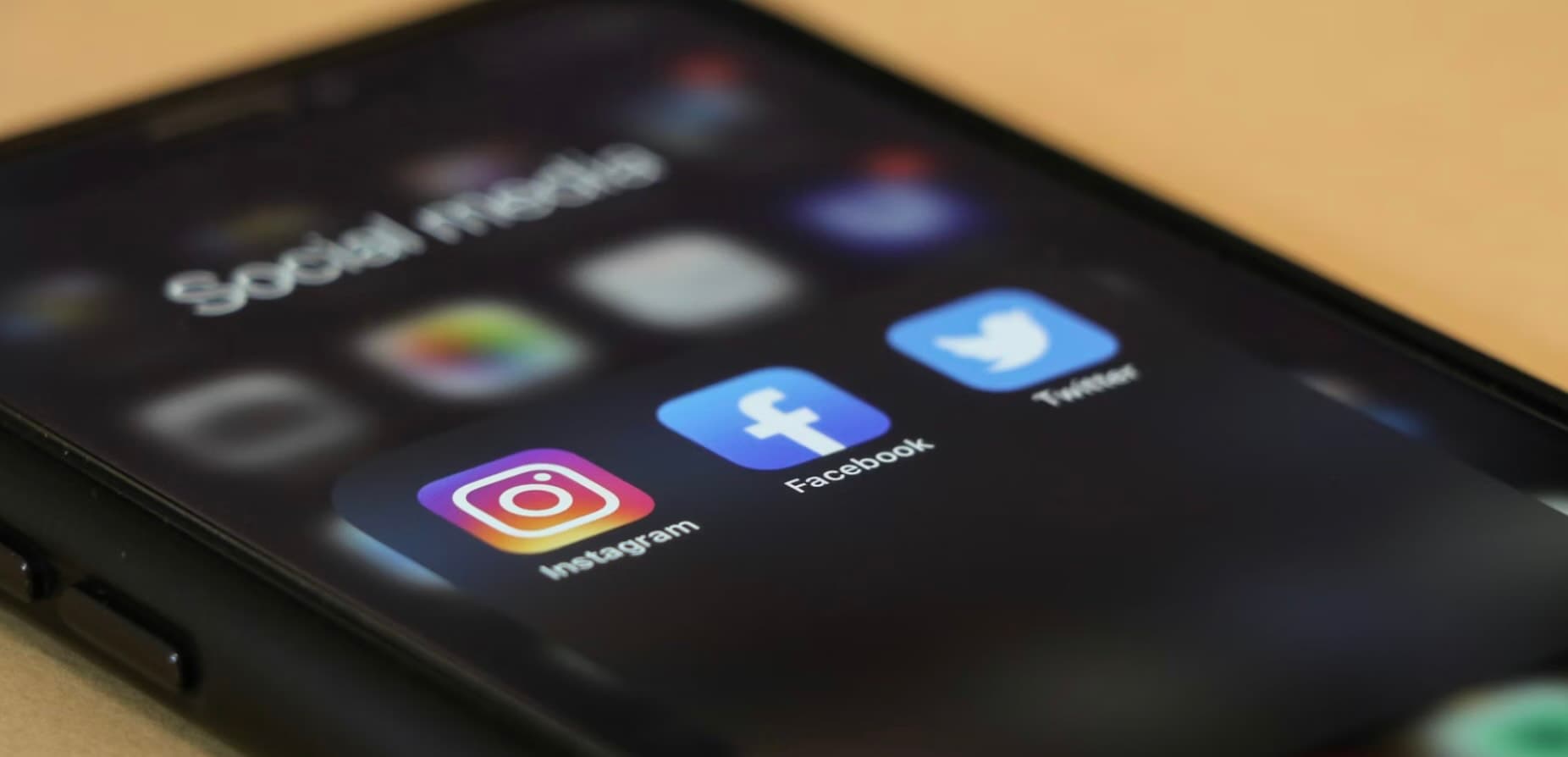
The ban targets social media platforms: Instagram, TikTok, Snapchat, YouTube and similar services. It does not cover messaging apps like WhatsApp, which means children will still be able to stay in touch with existing friends through group chats. What goes away is the feed, the endless scroll of content from people you may not know, algorithmically sorted to hold attention. That is what the ban is really aimed at and it is also what most of the research points to as the most harmful element. The connection itself does not have to go with it.
Slower digital communication
There is a version of online connection that is not social media and not instant messaging and is actually better for children. Writing a proper letter to someone, waiting for a reply and building a friendship through that exchange over time teaches children something that a feed of short videos cannot: how to think about another person's life with patience and genuine curiosity. It also removes the performance anxiety that comes with public social media: no likes, no view counts, no audience. Just two children writing to each other.
I built Stamplo because I believed this was true and because I wanted something like it to exist for my own daughters. Children on Stamplo write letters to pen pals in other countries, parents approve every letter before it is sent or received, and there is no feed, no likes, no follower counts and no algorithm working out how to keep a child scrolling. The most common thing parents say when they sign up is that Stamplo is the middle ground they had been looking for, somewhere their child can feel included and connected to other children around the world, but in a way that is safe and supervised rather than open-ended and unmonitored. Since Australia's ban came in, I have been hearing this more and more from families who had already pulled their children off social media and were looking for something to replace the connection, not just remove the harm.
What about existing friendships?
The concern I hear most from parents is not about strangers or algorithms. It is about their child losing touch with specific friends they have made online. That is a real concern and worth taking seriously. The honest answer is that most friendships which have any real substance can survive a platform disappearing if both sides want them to. The ones that cannot were probably always more audience than friendship.
What parents need to do before it lands
You do not need to wait for legislation to act. If your child is under 16 and on social media, starting a conversation now about what is coming and what the alternatives look like is a much better approach than a sudden cutoff with no preparation.
A few practical things worth doing this week:
- Find out which platforms your child actually uses and what they use them for. The answer is often different from what parents assume: many children use Instagram not for the feed but to stay in a specific group chat with friends from school or a sports club. Knowing this helps you identify what actually needs replacing.
- Help your child collect the contact details of people they care about: phone numbers, email addresses, anything that does not depend on a specific platform staying available. This takes ten minutes and removes the single biggest risk of the ban, which is not losing access to content but losing access to people.
- Look at what structured activities your child already has outside school and whether there are gaps. A child who has regular face-to-face contact with friends through clubs, sports or other activities will find the transition significantly easier than one who relies primarily on social media to maintain those relationships.
- Talk to other parents in your child's school or social group rather than each family navigating this separately. This works far better as a collective decision than an individual one. My daughter's experience of being one of the only children in her class without a phone has been harder than it needed to be because we made that choice largely alone. Smartphone Free Childhood have been doing exactly this kind of collective parent organising and their work is worth looking at if you have not already.
There has to be a tipping point
Parents are in a genuinely difficult position. Nobody wants their child to feel left out or different from their friends. I know this because I have lived it and I am still living it with my eldest. But the way through it is not for individual parents to hold the line alone against the current. It is for enough parents to make the same decision at the same time that the current changes direction.
A ban that lands well looks like a child who has other places to be: a sports team, a group of friends they see in person, a pen pal they write to, a hobby that does not require a screen. None of those things require legislation to put in place. They require a parent who has thought about it and a child who has been part of the conversation rather than handed a restriction with no explanation.
That part is down to parents, schools and the services being built for children right now.
Looking for a calmer way for your child to connect online?
Stamplo is a parent-supervised pen pal platform for children aged 7–14. No feeds, no algorithms, no notifications. Every letter is approved by parents on both sides before delivery.
Start Free. Create Your Family Account